Feasibility Study for the Hernia Aid Project at Holy Cross Mission Health Centre IV, Kikyusa, Luweero
Introduction
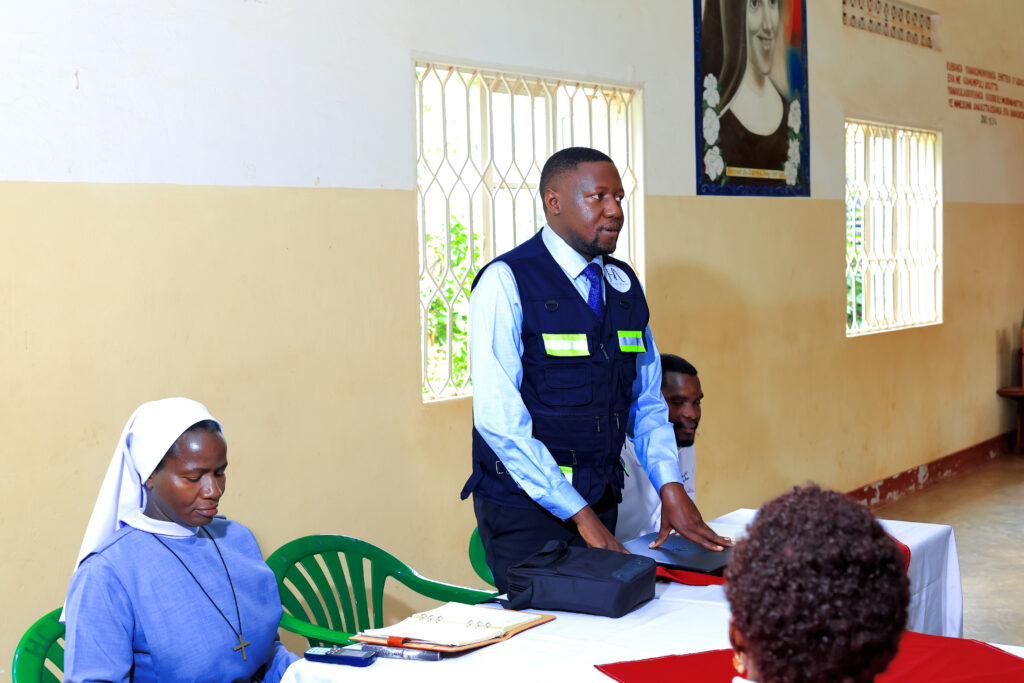
The Rotary Club of Jinja, under the leadership of the Club President and the Projects Operational Manager, Mr. David Katenderi, conducted a comprehensive feasibility study for the Hernia Aid Project at Holy Cross Mission Health Centre IV in Kikyusa, Luweero. The study aimed to assess the readiness of the facility to implement a sustainable hernia care program that would provide safe and affordable surgical services to the community.
Background
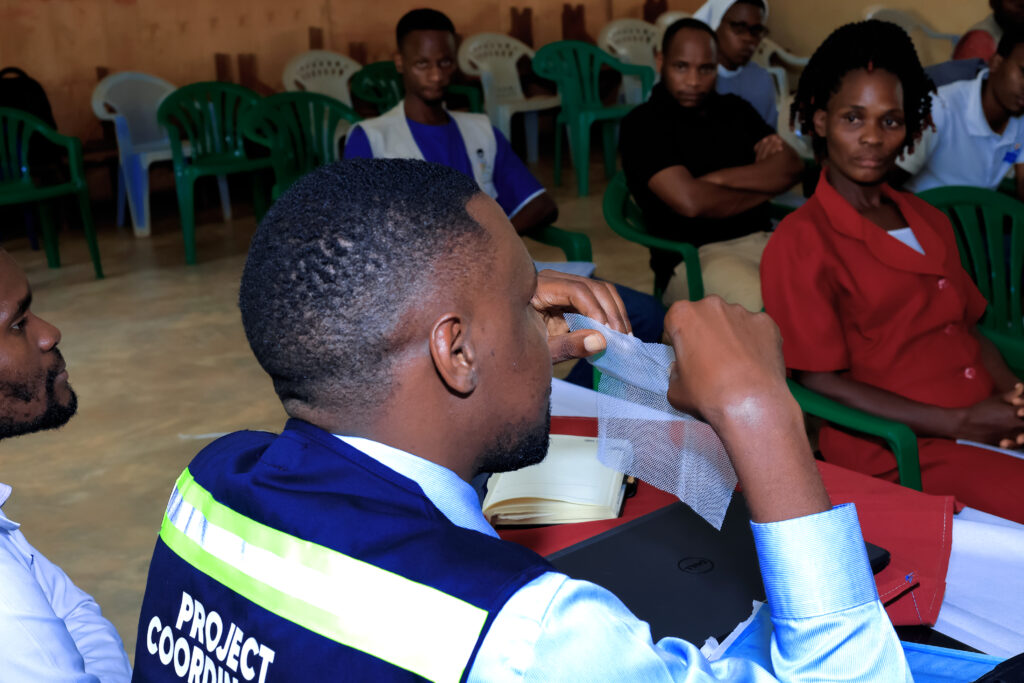
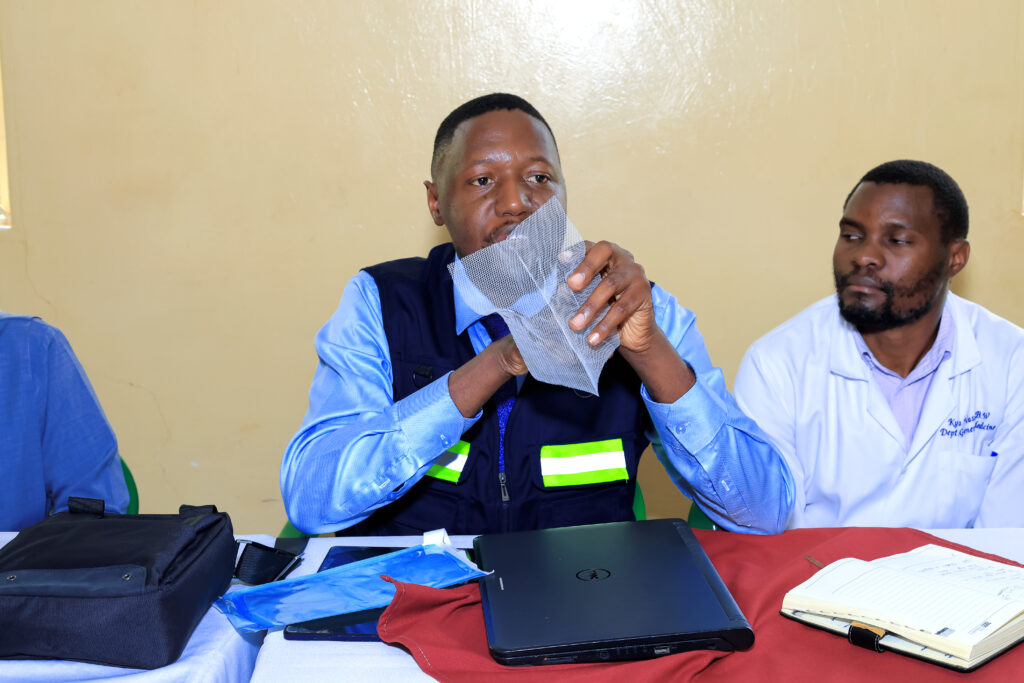
Hernia remains a significant public health concern in many rural areas of Uganda, where access to surgical care is limited and the cost of treatment is often prohibitive. The Hernia Aid Project, in partnership with Hernia International, seeks to bridge this gap by empowering local health facilities to produce their own surgical mesh and deliver quality hernia repair services at minimal cost.
Stakeholder Engagement
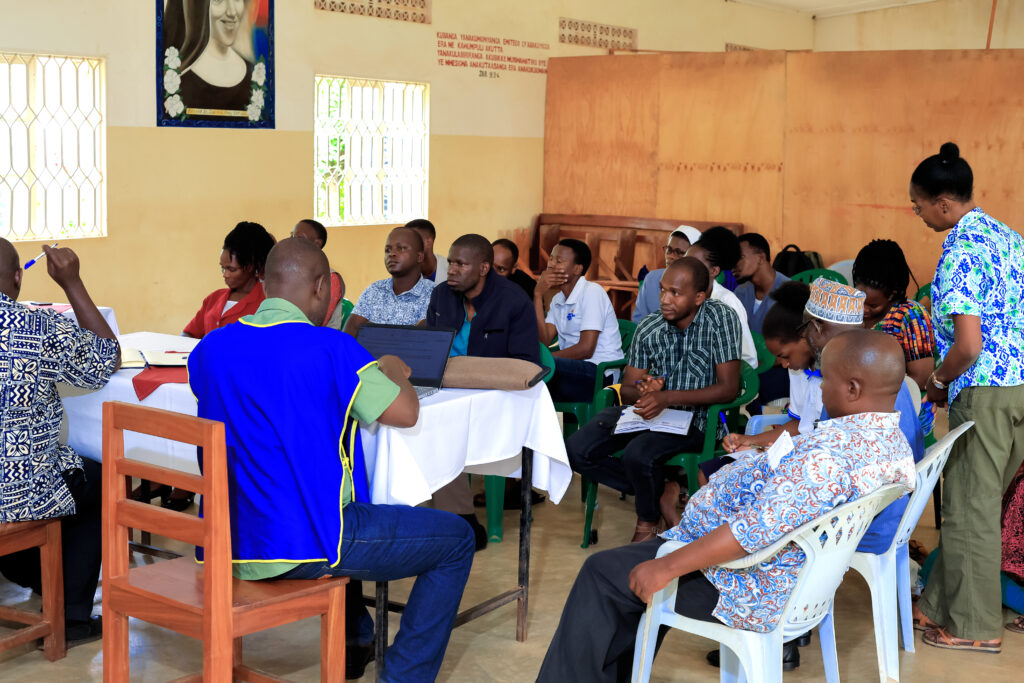
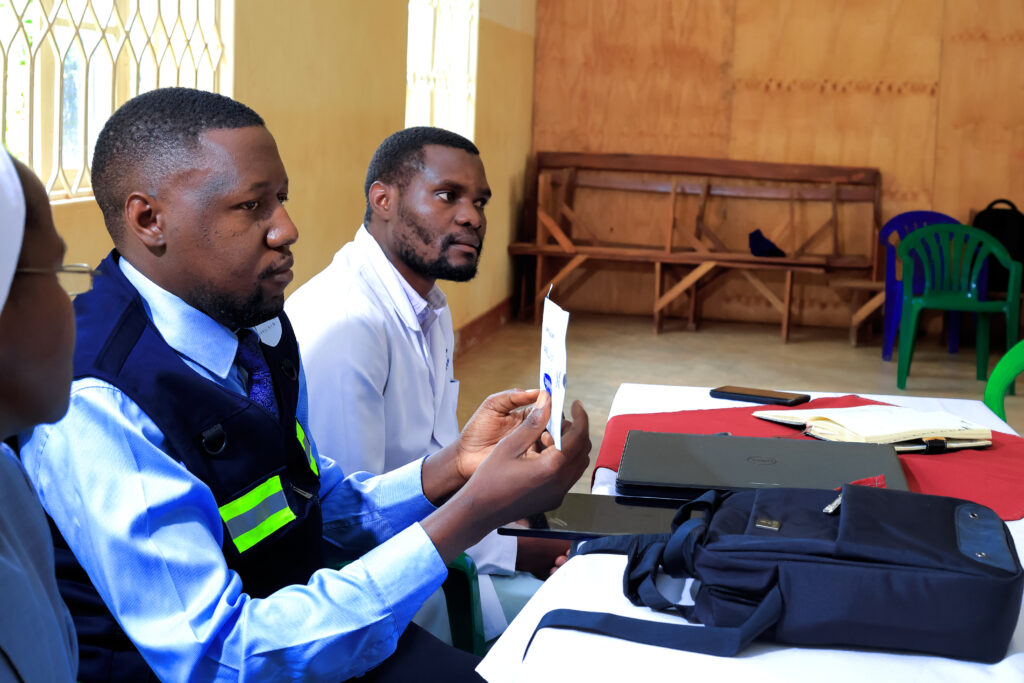
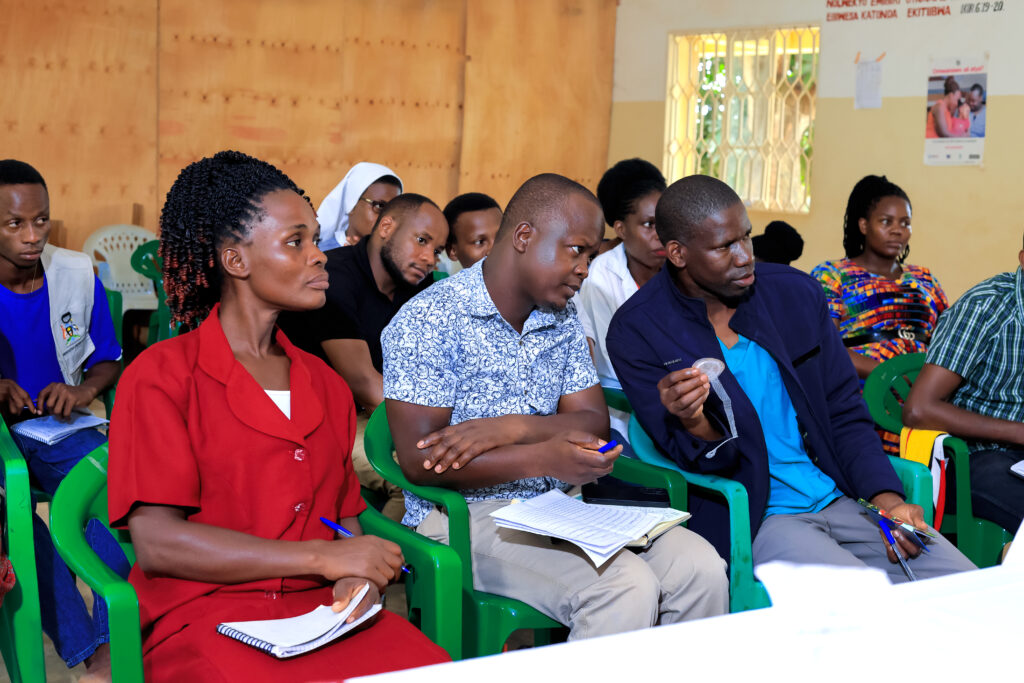
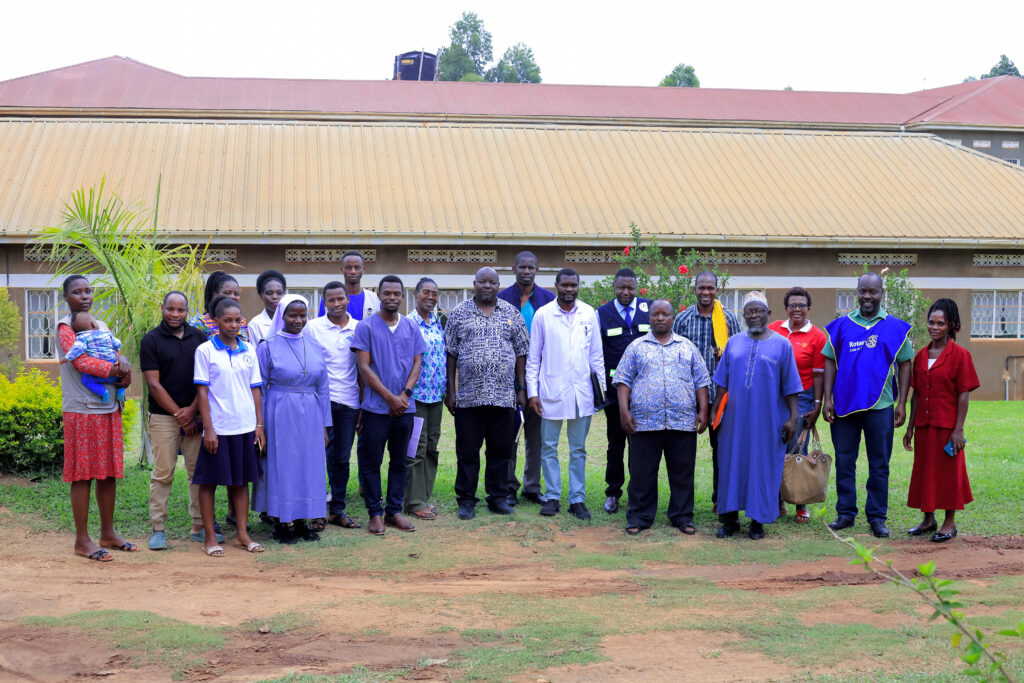
The feasibility study was carried out with the active participation of multiple stakeholders, including the management and staff of Holy Cross Mission Health Centre IV, local community leaders, and representatives from the District Health Office. The Rotary Club of Jinja team worked closely with Dr. Mukalazi Henry Garvin, the Country Project Coordinator for Hernia International and the Hernia Aid Project, to ensure alignment with national health priorities and international best practices.
Objectives of the Study
- To evaluate the current capacity of Holy Cross Mission Health Centre IV to conduct hernia surgeries.
- To assess the infrastructure, equipment, and human resource needs for establishing a local hernia mesh production unit.
- To identify potential challenges and opportunities for sustainable project implementation.
- To engage stakeholders and secure community support for the project.
Methodology
The study involved on-site assessments, interviews with medical personnel, and consultations with community representatives. The team reviewed existing surgical facilities, sterilization units, and storage areas to determine the level of preparedness for hernia operations. Data was collected on patient flow, surgical outcomes, and resource availability.
Findings
The assessment revealed that Holy Cross Mission Health Centre IV possesses a dedicated and skilled medical team, but faces limitations in surgical equipment and materials. The facility’s infrastructure was found to be suitable for minor renovations to accommodate a mesh production unit. The community expressed strong support for the project, recognizing its potential to reduce the burden of untreated hernias and improve access to affordable healthcare.
Recommendations
- Establish a small-scale mesh production unit within the facility, supported by training from Hernia International experts.
- Provide essential surgical instruments and sterilization equipment to enhance operational efficiency.
- Conduct capacity-building workshops for medical staff on safe hernia repair techniques.
- Develop a monitoring and evaluation framework to track project outcomes and ensure sustainability.
Conclusion
The feasibility study confirmed that the Hernia Aid Project is both viable and highly beneficial for Holy Cross Mission Health Centre IV and the surrounding communities. The initiative was warmly welcomed by all stakeholders, including local authorities, healthcare workers, and community members. With the support of the Rotary Club of Jinja, Hernia International, and other partners, the project is poised to transform hernia care by enabling local production of surgical mesh and ensuring safe, affordable surgeries for all.
Acknowledgment
Special appreciation goes to the Rotary Club of Jinja leadership,the club president , Mr. David Katenderi, Dr. Mukalazi Henry Garvin, and all participating members and partners for their commitment to improving community health through innovation and collaboration.